

West Marin & Point Reyes: What Living Here Actually Looks Like
There’s a version of West Marin people imagine: rolling hills, oysters, ocean air, and a slower pace. Then there’s the reality, which is more complicated and, in many ways, more interesting.
I know because I raised my son here and spent years working throughout West Marin through my event planning company. I know the roads, communities, and rhythms of the place, and I currently represent real estate here. When I talk with buyers about West Marin, I’m describing somewhere that shaped my own life.
What West Marin Actually Is
West Marin stretches through the rural communities west of Marin County’s coastal hills, including Point Reyes Station, Inverness, Inverness Park, Marshall, Olema, Stinson Beach, and Bolinas.
This is not suburban Marin. Agriculture, ranches, protected open space, and the Point Reyes National Seashore define much of the landscape. The towns are genuinely small, with Point Reyes Station serving as a central gathering place for many residents.
For people considering buying a home in West Marin, that rural character is both the attraction and something to understand practically.
Who Buys in West Marin?
I tend to meet several kinds of West Marin buyers: people intentionally leaving city life, second-home buyers looking for a retreat from San Francisco, former residents returning later in life, and people who simply visit and realize they want to stay.
The important distinction isn’t which category you fall into. It’s whether the realities of living here support what you’re looking for. West Marin can offer privacy, land, community, and extraordinary access to nature, but those qualities come with different tradeoffs than buying in San Francisco or central Marin.
What Should You Know Before Buying?
It Really Is Rural
Locals regularly go “over the hill” for things they can’t find nearby. Depending on where you live, Petaluma, Novato, San Rafael, and Fairfax provide access to larger stores and services in different directions.
That distance matters. Medical care, school activities, errands, and commuting can require considerably more driving than buyers expect. Before choosing a property, think about your ordinary Tuesday, not just how West Marin feels on a beautiful Saturday.
Septic, Wells & Water Matter
Many West Marin properties rely on septic systems, wells, or other private infrastructure. That means buying West Marin real estate can require different due diligence than purchasing a typical San Francisco home.
Understanding a property’s water source, septic system, condition, capacity, and maintenance history should happen early in the process. These aren’t peripheral details. They are part of understanding what you’re buying.
Insurance Should Be Investigated Early
Fire risk and homeowners insurance have become important considerations across California, including parts of West Marin. Availability and cost can vary by property.
Insurance is something I recommend investigating before you become committed to a particular home. The beautiful wooded setting or remote location that attracts you to a property may also affect how it can be insured.
Short-Term Rental Rules Can Change the Math
If part of your plan involves using a West Marin property as a second home and renting it when you’re away, understand the current short-term rental regulations before making assumptions about potential income.
Rules in Marin County have changed over time and can depend on location. What another owner was able to do historically may not tell you what is permitted for a property today.
The Community Is Part of What You’re Buying Into
West Marin has a community culture that is difficult to understand from a weekend visit. Places like the farmers market, Toby’s Feed Barn, community events, schools, and local organizations aren’t simply amenities. They’re part of how people here know one another.
That’s one of the things I value most about living here, and something prospective residents should consider alongside acreage, views, and square footage.
What Is Point Reyes Station Like?
Point Reyes Station functions as one of West Marin’s primary hubs, surrounded by agricultural land and protected open space associated with the Point Reyes National Seashore.
For buyers, the surrounding landscape is a significant part of the appeal. West Marin has development constraints and large areas of protected land that distinguish its real estate market from more densely developed parts of the Bay Area.
That also contributes to an unusual housing market.
What Is the West Marin Real Estate Market Like?
West Marin real estate has relatively limited inventory, and the properties themselves can be difficult to compare. A cottage in Inverness, a home near Point Reyes Station, and acreage above Marshall may technically belong to the same market, but the land, infrastructure, condition, access, and buyer pool can be completely different.
As a result, pricing requires more context than simply comparing price per square foot or looking at a handful of recent sales. Some properties may take time to find the right buyer, while an unusual or particularly desirable home can attract attention quickly.
That’s why specific knowledge of West Marin matters. Understanding the property is important, but understanding its road, water, septic, insurance considerations, setting, and surrounding community can be just as consequential.
Why I Work in West Marin
I work in West Marin because I know the place personally. I’ve raised a child here, worked here, built relationships here, and now represent buyers and sellers here.
When I show someone a West Marin property, I’m not introducing them to a lifestyle I’ve researched. I’m helping them understand a place I’ve lived.
And for buyers considering West Marin or Point Reyes real estate, that understanding matters because the question isn’t simply whether you love the house. It’s whether you’ll love the life that comes with it.

A Walk Through West Marin
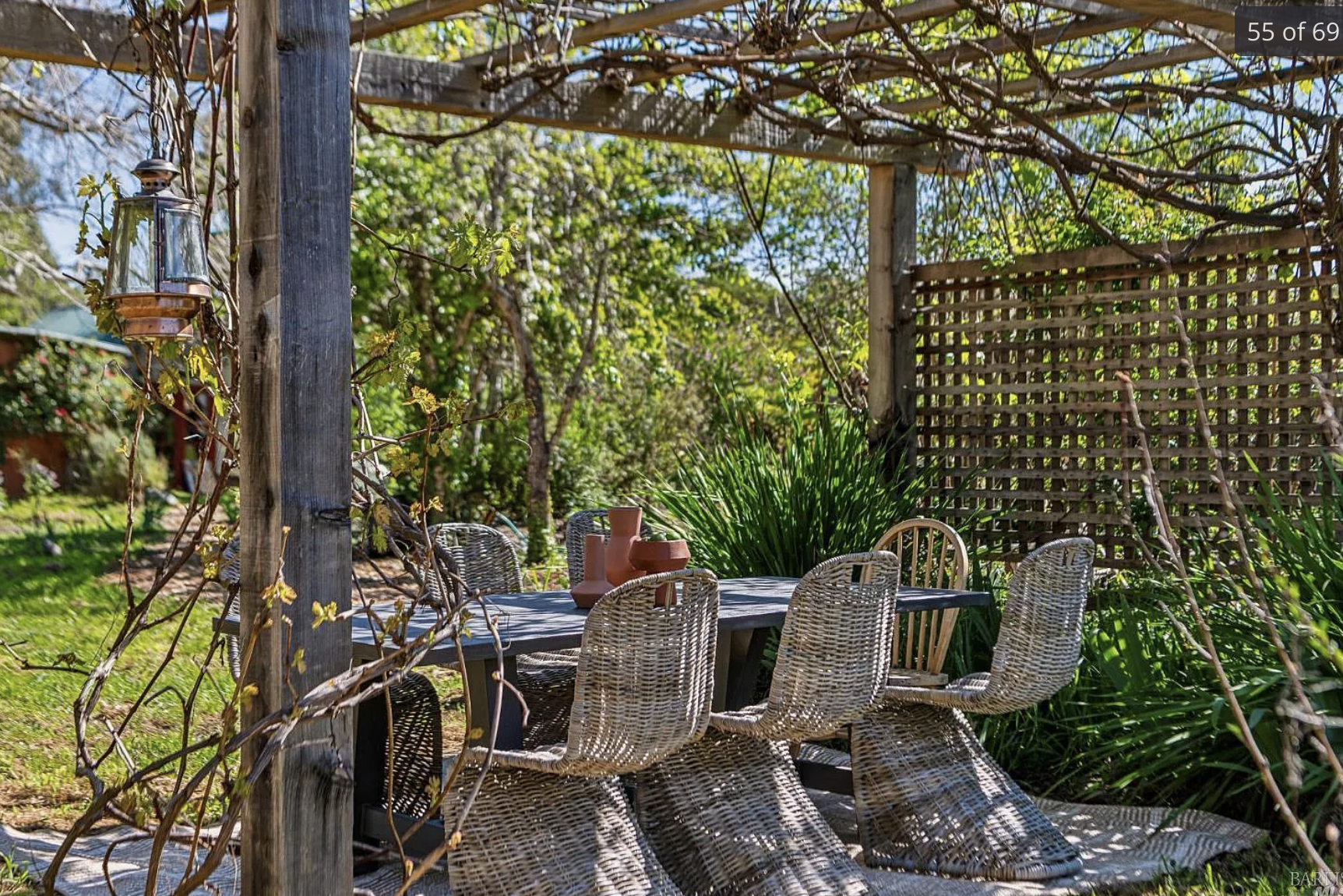
Some properties resist a simple description. This West Marin property spans an acre and a half, with five structures, fruit trees, and permaculture gardens cultivated over a lifetime. A 1930s cottage sits alongside haybale buildings, a kitchen cottage, and separate bedroom cottages, all connected by a landscape shaped by decades of care. I recently walked the property with a camera to explore what makes it so unusual.
Thinking About West Marin?
Let’s find out which property, town, and version of West Marin fits you.
Your Questions, Answered
-
Point Reyes Station is roughly 45 minutes to an hour from San Francisco without traffic, via Sir Francis Drake Boulevard , Lucas Valley Road or Highway 1. The drive is beautiful and not difficult, but it is real distance — not a quick errand run.
-
For the right person, absolutely. It offers a quality of life — space, quiet, natural beauty, genuine community — that's genuinely hard to find this close to a major city. The buyers who thrive here are those who want exactly what it offers, not those hoping it will eventually feel more convenient.
-
Regulations vary and have changed in recent years. Some properties and areas permit short-term rentals; others don't. This is worth investigating carefully before purchase if rental income is part of your plan.
-
The inventory is genuinely varied — small cottages, ranch properties with acreage, cabins, farmhouses, and occasionally newer construction. There's no typical West Marin home. What's consistent is that properties tend to be on larger lots and in natural settings.
-
It helps significantly. The market is thin, the due diligence considerations are different from urban purchases (septic, wells, fire insurance), and local knowledge matters in ways it doesn't in more standardized markets.